
Internet outages in Haiti: fragile infrastructure and the risk of digital exclusion
Frequent Digicel network outages raise a question that goes beyond telecommunications: what place will Haiti have in the region's digital infrastructure?
Frequent Digicel network outages in Haiti raise a question that goes beyond telecommunications. What place will Haiti have in tomorrow's digital infrastructure?
In 2025, and again in October 2026, fiber-optic cuts interrupted Internet services and other digital services such as MonCash. These incidents show that physical infrastructure remains fragile because of insecurity and the difficulty of reaching sites to carry out repairs.
In late October 2026, the CEO of Digicel Haiti said that the operator's international fiber-optic links had suffered severe damage along National Road 1, causing Internet disruptions across the country. Data from Cloudflare Radar for Digicel Haiti's network (AS27653) shows traffic dropping to zero on October 27 and staying there for about 20 hours before a gradual recovery on October 28.
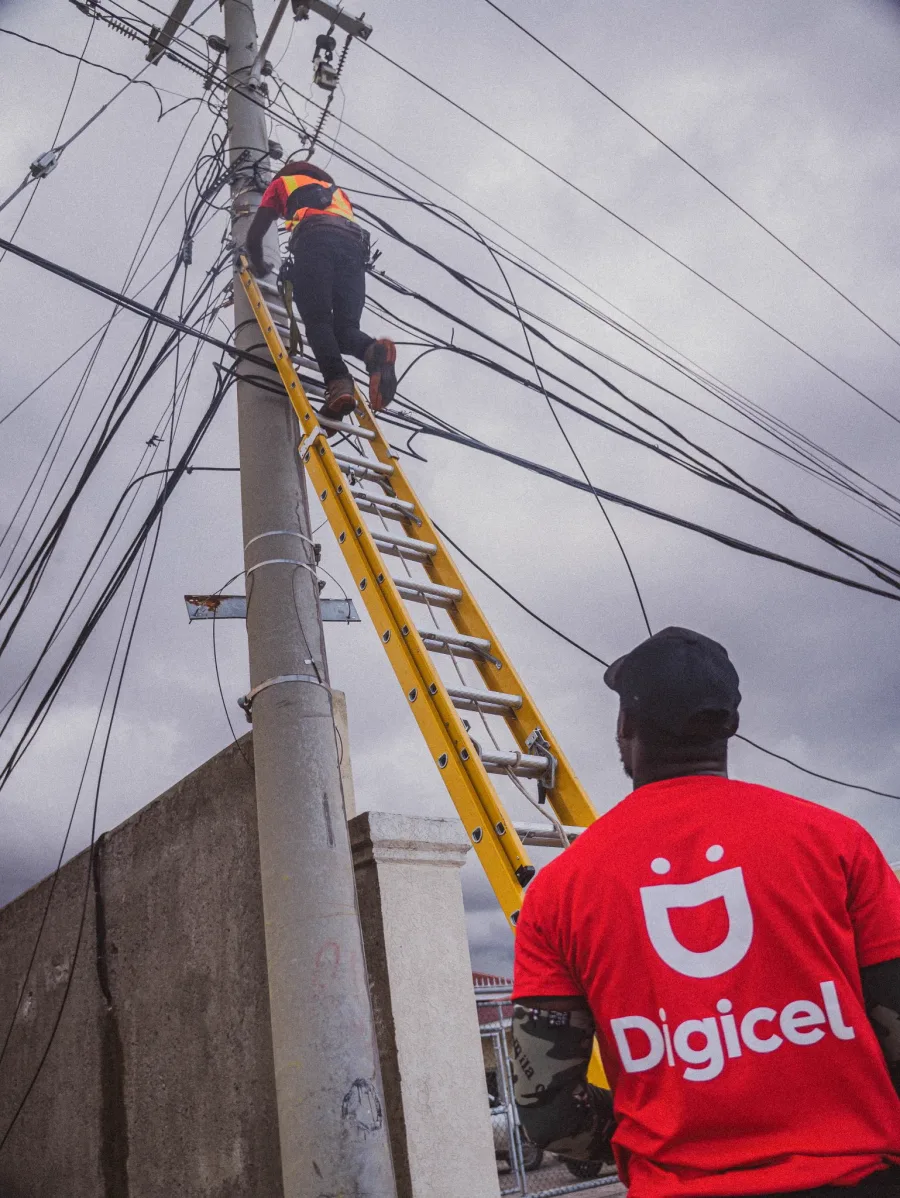 A Digicel technical crew working on the network. Photo: Digicel.
But another problem deserves attention: international connectivity.
The Caribbean is connecting, but Haiti risks being left on the sidelines
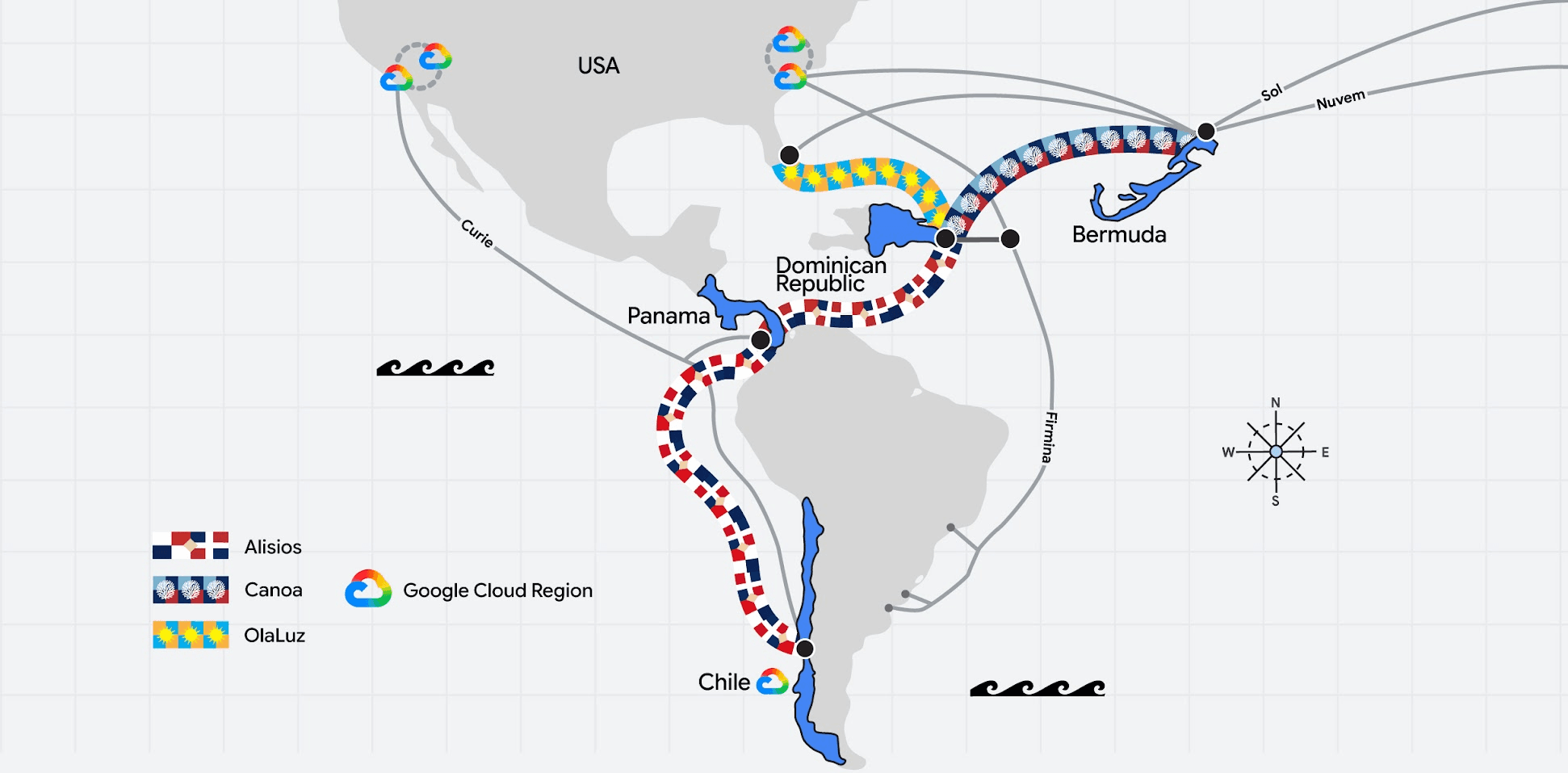
In August 2026, Google launched Americas Connect, a set of new subsea links to improve connectivity between the Caribbean, North America, and Latin America. The Dominican Republic plays a key role in the project, with several new cables planned to Panama, Chile, Bermuda, and Florida.
Unfortunately, Haiti is not on the list of destinations where these new cables will land.
This raises an important question. Neighboring countries are consolidating their place in international digital networks. Does Haiti have the infrastructure needed to ensure reliable, diverse, and competitive connectivity?
The problem is also not limited to Internet speed. International connections depend on the strength of networks, access to cloud services, the interest of technology investors, and the ability of businesses to grow their digital activities.
A question of sovereignty and digital resilience
Fiber-optic cuts and a lack of diversity in connections expose businesses and institutions in both the private and public sectors to serious disruptions. The Internet Society puts Haiti's Internet resilience score at 38 out of 100, a figure that highlights the country's structural problems.
Repairing cables after each incident does not solve everything. Haiti must also think about diversifying its international connections, developing its national fiber-optic network, and creating an environment that attracts investment in digital infrastructure.
This requires the State, represented by its regulator, telecom operators, and private investors to work together.
Connectivity now counts as strategic infrastructure, like energy and transportation. For Haiti to accelerate its digital transformation, attract investment, and grow its technology economy, the country must place the resilience of its telecommunications at the heart of its national priorities.
The question now is this. Will Haiti keep depending on its neighbors' digital networks, or will it seek to connect more deeply to the region's digital economy?
Sources and credits
- Google Cloud: the three new Americas Connect subsea cables (TelecomTV)
- Internet Society Pulse: Internet Resilience Index, Haiti
- Cloudflare Radar: traffic from AS27653 (Digicel Haiti)
- Cover image: Americas Connect map, Google. Photo in the article: Digicel.